


Few decisions in a pet’s first year carry as much weight as the one about spay and neuter surgery. It’s routine, it’s common, and it’s still surgery, which means most owners arrive with a tangle of questions. When should it happen? What does it cost? How bad is the cone, really? At Lake City Animal Hospital, our West Kelowna vet clinic performs these procedures week in and week out, and we’ve learned that the best outcomes come from owners who understand the “why” and the “when” before the “what to do afterwards.” This guide walks through all three.
What Spay and Neuter Surgery Actually Involves
The two words get bundled together, but they describe different procedures. A spay (ovariohysterectomy) removes a female’s ovaries and, in most cases, the uterus. It is abdominal surgery performed under general anesthesia, with a small incision along the midline of the belly. Because the surgeon is working inside the abdominal cavity, a spay is the more involved of the two. A neuter (orchiectomy) removes a male’s testicles through a small incision near the scrotum. It is also done under general anesthesia but is quicker, shallower, and generally comes with a faster bounce-back.
Every spay or neuter includes:
- A pre-surgical exam and, for most patients, bloodwork to confirm the liver and kidneys can process anesthesia safely.
- IV fluids and continuous monitoring of heart rate, oxygen, and blood pressure throughout the procedure.
- Pain management that starts before the first incision, not after your pet wakes up.
- A recovery period in the clinic before discharge, so we’re confident your pet is stable and comfortable before going home.
Beyond preventing litters, spaying eliminates pyometra, a life-threatening uterine infection, and sharply reduces mammary tumour risk when done early. Neutering removes the risk of testicular cancer and can reduce roaming, marking, and certain forms of aggression.
Finding the Right Age to Spay or Neuter
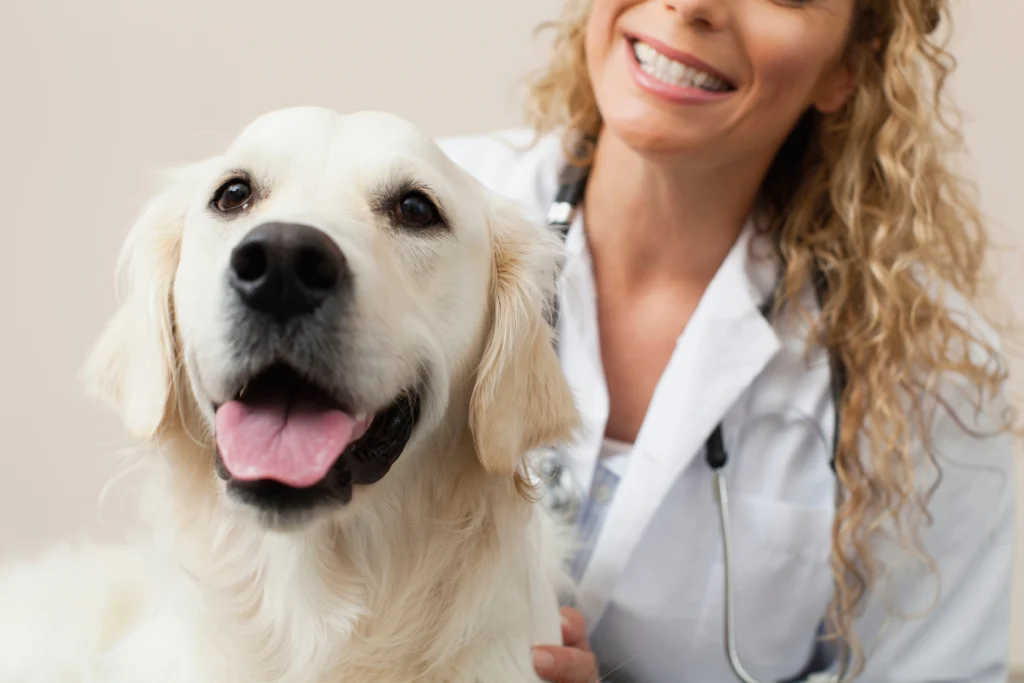
For decades, the answer was “six months.” Research over the past several years has made the picture more nuanced, especially for dogs. Cats are the simplest case. Most veterinarians recommend spaying or neutering by five to six months, before the first heat cycle. Cats mature fast, and an unspayed female can become pregnant surprisingly early. Small and medium dogs (under roughly 20 kg as adults) are still typically done at six to nine months. They finish growing early, so there is little benefit to waiting.
Large and giant breeds are where the conversation has shifted. Studies on breeds like Golden Retrievers, Labradors, German Shepherds, and Rottweilers suggest that neutering before the growth plates close may raise the risk of certain joint problems and some cancers. For these dogs, your West Kelowna vet clinic may recommend waiting until 12 to 18 months, weighing the orthopedic benefits against the practical realities of living with an intact adolescent dog. The right answer depends on breed, expected adult size, your household (other intact pets? kids?), and your dog’s temperament. It’s a conversation, not a chart, and it’s exactly what the pre-surgical consult at a West Kelowna vet clinic is for.
Cat Spaying and Neutering:
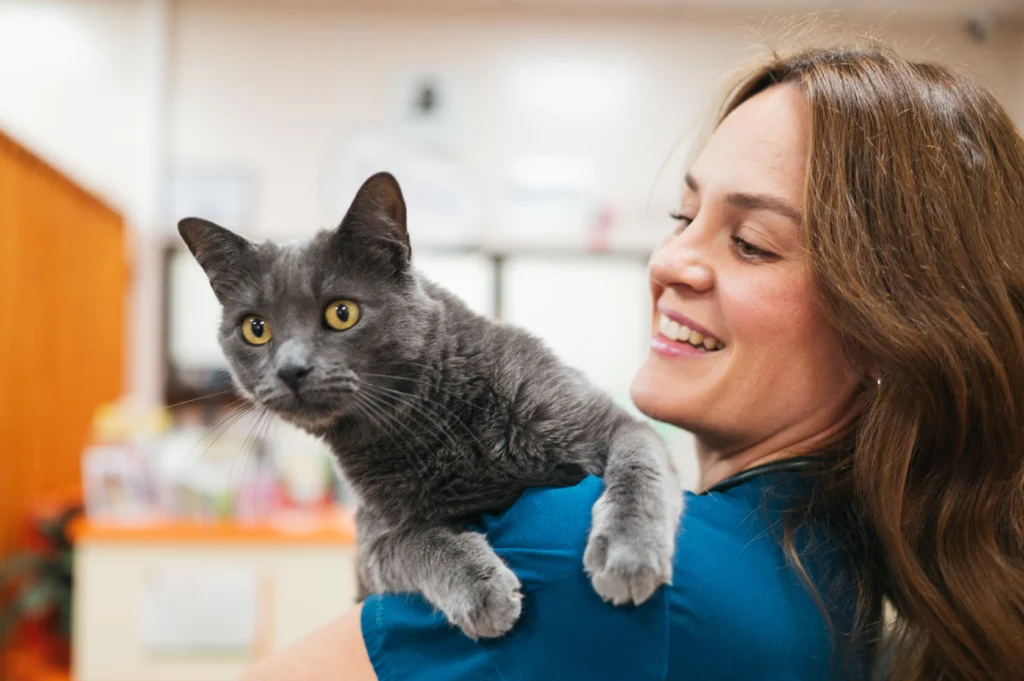
Cats have their own set of considerations, and cat spay surgery in particular is one of the most common procedures we perform. An unspayed female will cycle repeatedly from early spring through fall, and each heat brings yowling, restlessness, and determined escape attempts. A single unplanned litter in the Okanagan feeds directly into the region’s stray and feral population, which is why our West Kelowna vet clinic encourages owners to book a cat spay before that first cycle.
For males, neutering is the single most effective way to stop urine spraying, reduce fighting with neighbourhood toms, and lower the risk of feline immunodeficiency virus, which spreads largely through bite wounds. Neutered males also tend to stay closer to home, which matters on busy West Kelowna roads and in coyote territory. Feline recovery is typically fast. Many cats are eating normally the same evening and acting like themselves within a day or two. The challenge is keeping them from jumping onto counters and bookshelves while the incision heals, which brings us to the practical side.
Understanding Spay and Neuter Surgery Costs
Price is the question most owners want to ask first and feel awkward about asking. There’s no need to be. Spay and neuter surgery is one of the most common procedures in veterinary medicine, and any good clinic expects the conversation. What catches people off guard is the range: a quick online search turns up everything from low-cost clinic specials to quotes several times higher, often with no explanation of why. The difference usually comes down to what’s happening behind the surgical door, from the level of anesthetic monitoring to whether pain relief goes home with your pet. Once you understand the variables, the numbers make a lot more sense, and it becomes much easier to judge whether a quote is a bargain or a corner being cut.
Spay and neuter costs vary based on a few predictable factors:
Species and sex: A cat neuter is the least expensive procedure; a dog spay is the most involved.
Size and weight: Larger dogs need more anesthetic, more suture material, and more surgical time.
Age and health: Older animals, pets in heat, or those with pre-existing conditions may require additional bloodwork or precautions.
What’s included: Some quotes cover only the surgery; others bundle the exam, bloodwork, IV fluids, pain medication, and the recovery cone. Always ask.
A reputable vet clinic should be transparent about every line item. At our West Kelowna vet clinic, we provide an itemized estimate during the pre-surgical consultation so there are no surprises on pickup day. We’d rather you compare apples to apples than choose the lowest number and discover it didn’t include pain control. If cost is a barrier, talk to us. Spacing out pre-surgical bloodwork, timing the surgery with a wellness visit, or asking about payment options can make a difference, and every West Kelowna vet clinic would rather help you plan than see a preventable litter or pyometra later
Recovery After Spay or Neuter: The Two-Week Roadmap
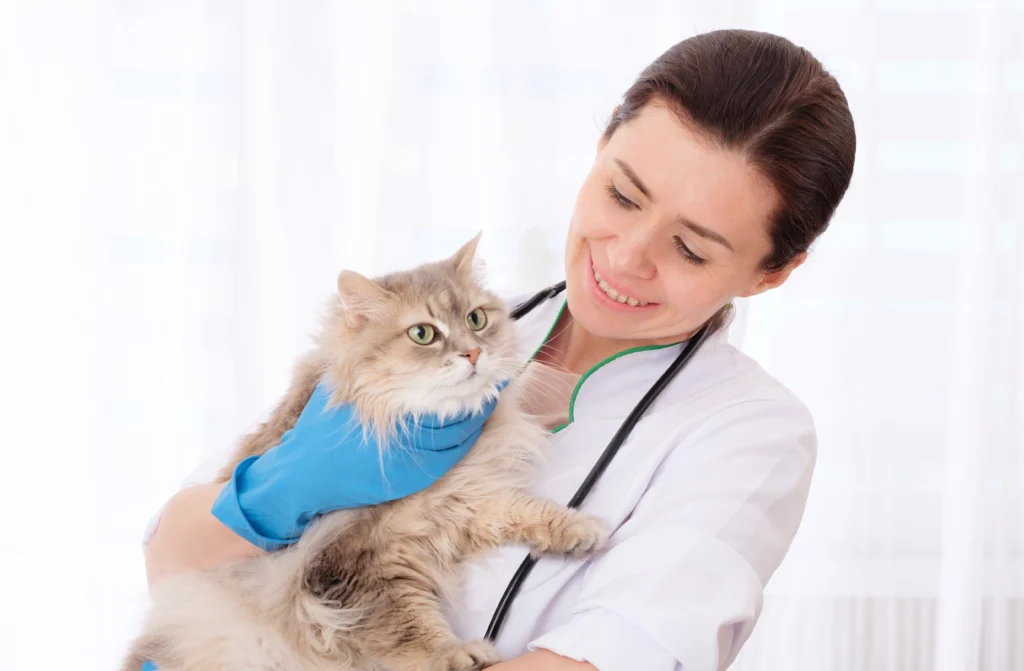
Surgery day is the easy part for you. The two weeks that follow are where owners make or break a smooth recovery.
Day one. Expect grogginess, a reduced appetite, and some wobbliness. Offer a small meal and plenty of water. Keep your pet in a quiet, confined space away from other animals and stairs.
Days two to three. Energy usually returns, which is a trap. Your pet feels fine; the incision does not. Leash walks only for dogs, no running or jumping, and no off-leash time at the dog beach. Cats stay indoors.
Days four to ten. Check the incision twice daily. Mild redness is normal; swelling, discharge, gaping, or a foul smell is not. No bathing or swimming until the vet clears it.
Days ten to fourteen. Most pets are back to full activity after the recheck at your West Kelowna vet clinic, where we confirm the incision has closed and remove any external sutures.
The cone, or a surgical recovery suit, stays on the entire time. One determined lick can reopen an incision and turn a routine recovery into a second visit. Call your West Kelowna vet clinic right away if you notice vomiting lasting more than a day, refusal to eat for 24 hours, lethargy that worsens rather than improves, or any bleeding from the surgical site.
Ready to Book Your Pet’s Surgery?
Spaying and neutering is one of the most protective decisions you’ll make for a dog or cat, and the earlier the plan is in place, the smoother everything goes. Lake City Animal Hospital’s West Kelowna vet clinic is open seven days a week, 8 a.m. to 8 p.m., with surgical capacity for routine procedures and the diagnostics to handle anything unexpected. Learn more about our surgical procedures, or book an appointment to talk through timing and cost for your pet. We’ll build a plan that fits their breed, their age, and your household.