
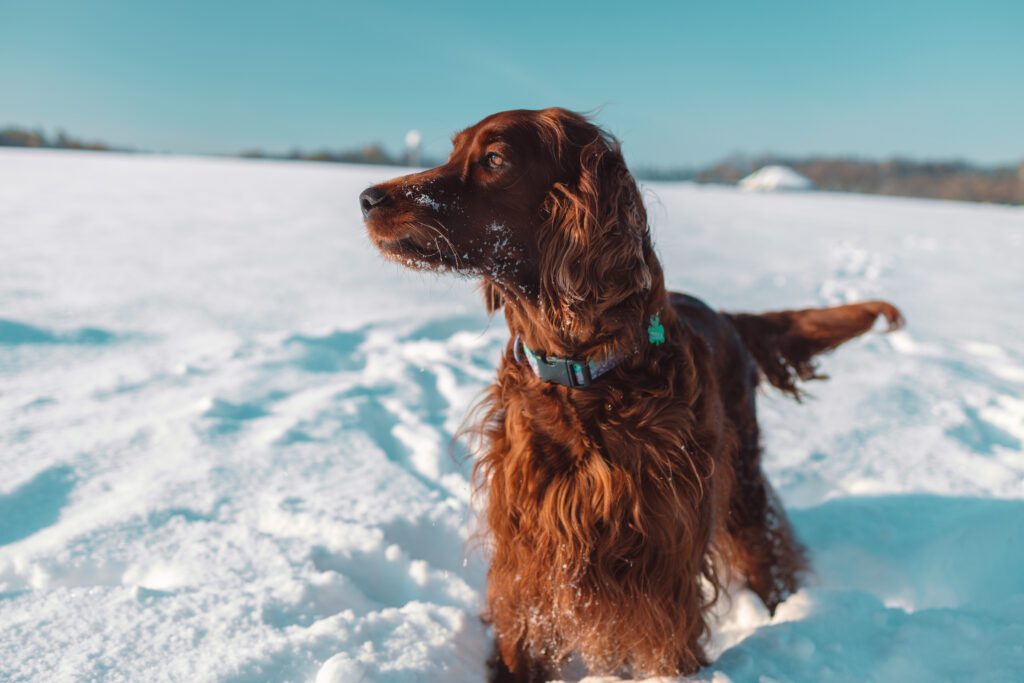
Winter in the Okanagan can be beautiful, but icy sidewalks, freezing temperatures, snow, wind, and shorter days can create new challenges for dogs and their owners. While some cold weather dog breeds seem perfectly happy bounding through fresh snow, others would much rather be curled up inside where it is warm.
Understanding cold and dogs is important because every pet handles winter differently. Breed, coat type, age, body condition, health, activity level, and even what your dog is used to can affect how comfortable they are outdoors.
At Lakecity Animal Hospital, we can help you understand your dog’s individual needs and make winter a little safer and more comfortable. Whether you have a senior dog, a short-haired breed, an adventurous snow lover, or a puppy experiencing their first Canadian winter, a few simple precautions can make a big difference.
Do Dogs Get Cold in Winter? Recognizing When Your Dog Has Had Enough
A common question pet owners ask is, do dogs get cold? The answer is yes. Even dogs with fur can become uncomfortable when temperatures drop, especially when they are exposed to wind, snow, ice, or wet conditions for extended periods. If you have ever wondered, do dogs get cold in winter, it helps to remember that there is no single temperature that applies equally to every dog. A thick-coated northern breed may be eager to stay outside much longer than a small, short-haired dog.
Signs your dog may be getting too cold can include:
- Shivering or trembling
- Lifting their paws repeatedly
- Slowing down or refusing to continue walking
- Whining or appearing anxious
- Tucking their tail
- Seeking shelter or trying to return home
- Hunching their body or appearing unusually tense
- Becoming less responsive or unusually tired
If your dog seems uncomfortable, bring them indoors and allow them to warm up gradually. Your vet can also help you determine whether age, weight, arthritis, illness, or another health concern may make your dog more sensitive to winter temperatures. Dogs do not need to be visibly freezing before cold weather begins affecting their comfort.
Dogs and Cold Weather: Knowing Your Dog’s Individual Winter Limits
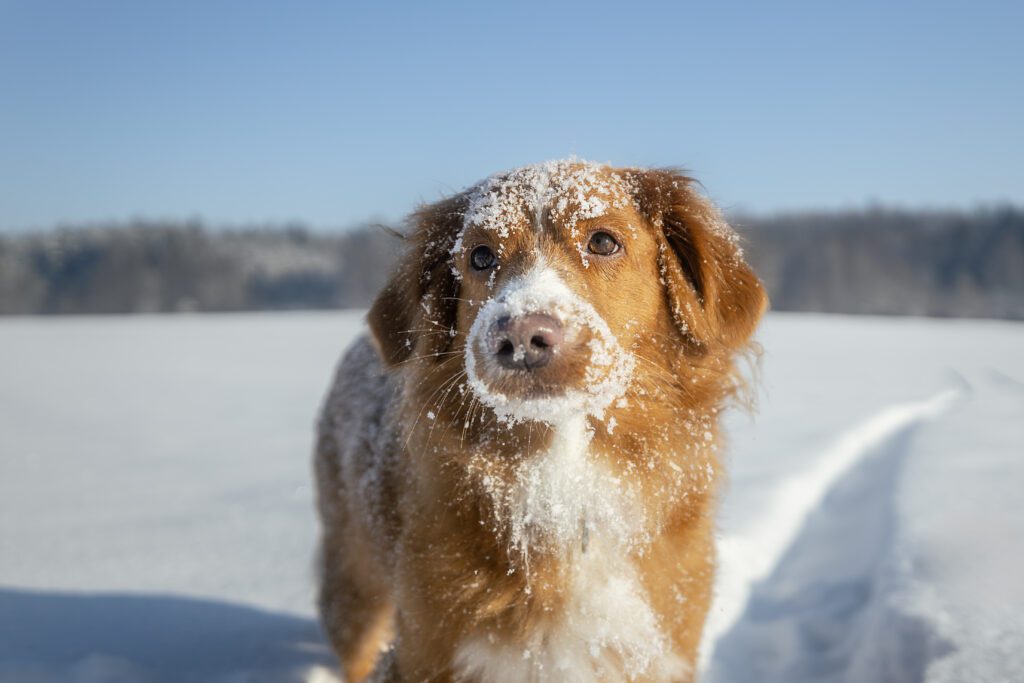
When it comes to dogs and cold, there is a big difference between what one dog enjoys and what another can safely tolerate. Coat type is one obvious factor. Dogs with dense double coats generally have more natural insulation than dogs with short, fine coats. Size matters too. Smaller dogs can lose body heat more quickly because they have more surface area relative to their body mass.
A dog’s winter comfort can also be influenced by:
Age: Puppies and senior dogs may have more difficulty regulating their body temperature.
Health: Conditions affecting the heart, joints, metabolism, circulation, or mobility may change how well a dog handles cold.
Body condition: Very lean dogs may have less insulation against cold temperatures.
Coat condition: Wet, matted, or recently clipped fur may provide less protection.
Activity level: A dog running through snow generates more body heat than a dog standing still.
Wind and moisture: Wind chill and wet fur can make conditions feel colder very quickly.
For dog owners navigating cold weather concerns, the best approach is to pay attention to the individual dog rather than relying on a universal rule. If you are unsure how much outdoor time is appropriate, speak with a West Kelowna vet about your dog’s specific health, breed, age, and lifestyle. Our animal hospital in West Kelowna can provide recommendations that are more meaningful than a generic temperature chart.
How to Keep Your Dog Warm in Winter at Home and Outdoors
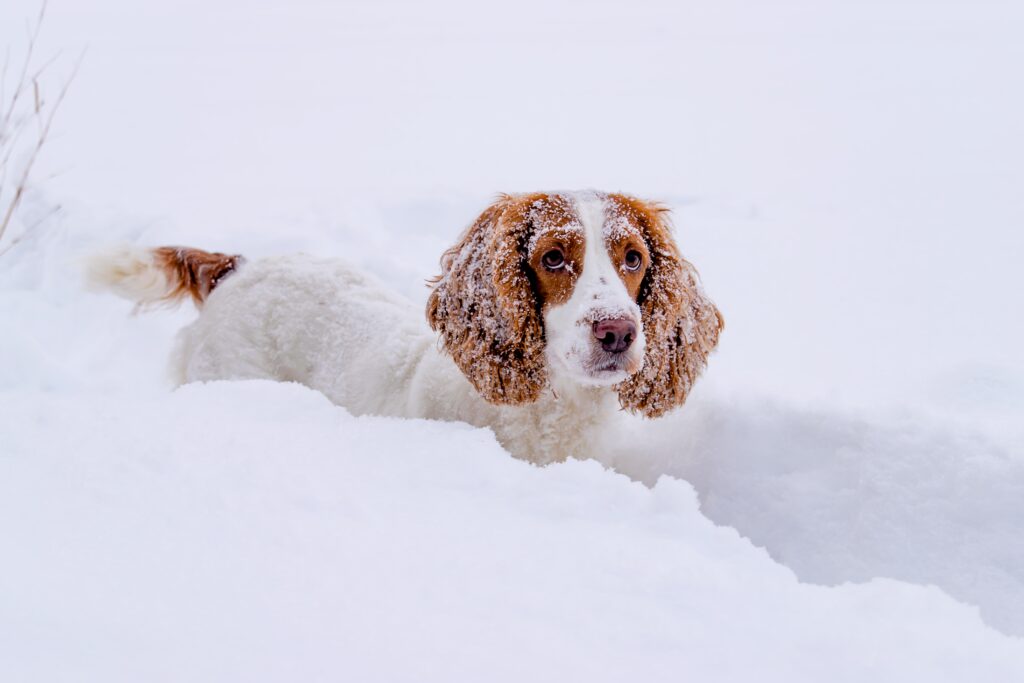
Knowing how to keep dog warm in winter conditions does not mean keeping them indoors all season. Exercise, enrichment, bathroom breaks, and outdoor adventures are still important. The goal is to make those activities safer and more comfortable.
For shorter-haired, smaller, senior, or cold-sensitive dogs, consider a properly fitted winter coat or sweater. Clothing should allow normal movement without rubbing, restricting the shoulders, or interfering with bathroom breaks.
Before heading outside, check current conditions rather than temperature alone. Wind, freezing rain, fresh snow, and icy surfaces can all affect your winter dog walk. During very cold conditions, consider shortening walks and adding indoor enrichment instead. You might replace one long walk with several shorter outings and use games, training sessions, puzzle feeders, or scent activities indoors.
After every snowy or icy walk:
- Dry your dog’s coat if it is wet.
- Wipe snow and moisture from the legs and belly.
- Check between the toes for packed snow or ice.
- Inspect the paw pads for cracking, irritation, or injuries.
- Remove any visible road salt or de-icing product from the paws.
Your West Kelowna vet can help if you notice ongoing paw irritation, cracked pads, limping, excessive licking, or discomfort after winter walks. At home, make sure your dog has a warm, dry resting place away from cold drafts. Senior dogs may especially appreciate padded bedding because cold weather can sometimes make stiff joints feel more noticeable. If your dog regularly spends significant time outdoors, discuss their routine with your vet so you can make sure their shelter, activity, nutrition, and cold-weather exposure are appropriate.
Winter Safety for Dogs: Protecting Paws, Skin, and Overall Health
Good winter safety for dogs involves more than simply keeping them warm. Snow and ice can conceal sharp objects, uneven terrain, frozen puddles, and slippery surfaces. Dogs that normally move confidently may lose their footing, particularly if they are older or already have mobility concerns.
Paws deserve special attention during winter. Ice can collect between the toes, while road salt and some de-icing products may irritate the skin. Dog boots can be useful for some pets, although they may require gradual training before your dog feels comfortable wearing them.
Another important consideration is antifreeze. Some antifreeze products can be extremely dangerous if ingested, even in relatively small amounts. Keep automotive fluids securely stored and prevent dogs from licking puddles or spills around driveways and garages. Winter also does not eliminate the need for hydration. Dogs can still become thirsty during cold-weather exercise. Make sure fresh water is available, especially after active outdoor play.
If something seems unusual following time outdoors, contact your vet immediately. Persistent limping, unusual lethargy, skin irritation, pain, weakness, or behaviour changes deserve attention. Routine wellness care is also valuable throughout winter.
Puppies in Winter: Extra Cold Weather Care for Younger Dogs
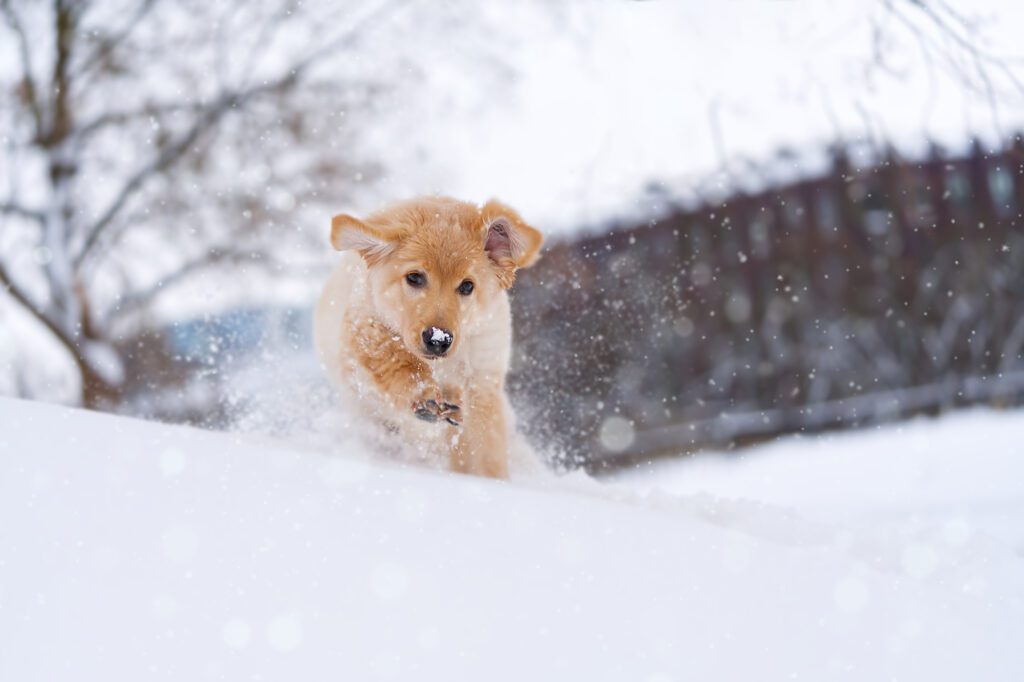
Puppies in winter deserve a little extra attention. Young dogs are still developing physically and behaviourally, and they may not yet understand when they should stop playing and come inside.
Bathroom training can also become more challenging during snow, rain, or freezing temperatures. Some puppies quickly decide that the warm living room is far more appealing than standing outside waiting to go.
Keep outdoor bathroom trips structured and relatively brief during very cold weather. Choose a sheltered area when possible, praise your puppy when they finish, and bring them back inside promptly.
Winter is also an important socialization period. Your puppy still needs positive exposure to new sights, sounds, surfaces, and experiences, but that does not mean they need to spend long periods outdoors in uncomfortable weather.
Consider introducing them gradually to:
- Walking on snow
- Wearing a coat or boots
- Having their paws wiped
- Hearing snowplows or winter equipment
- Walking carefully on icy surfaces
- Being handled after outdoor adventures
If you have questions about vaccinations, outdoor exposure, exercise, nutrition, or general puppy care, your vet can help you create a safe plan based on your puppy’s age and health. They can also help first-time puppy owners understand how seasonal needs change as a young dog grows.
Helping Your Dog Enjoy a Safer Okanagan Winter
The relationship between dogs in cold weather and winter safety comes down to awareness. Some dogs could happily spend hours playing in fresh snow, while others begin looking toward the front door after a few chilly minutes.
Watch your dog’s behaviour, adapt outdoor time to the conditions, protect their paws, keep them dry, and pay extra attention to puppies, seniors, small dogs, and pets with health concerns. You do not need to eliminate outdoor activity when the temperature drops. You simply need to adjust your routine around your dog’s needs.
If you are unsure how your dog is handling winter or notice changes in mobility, skin, paws, energy levels, or behaviour, the team at Lakecity Animal Hospital is here to help. Speaking with a vet can give you practical guidance based on your dog’s health and lifestyle rather than one-size-fits-all advice. For pet owners looking for a trusted Kelowna vet clinic, Lakecity Animal Hospital provides veterinary care for dogs and cats throughout West Kelowna and the surrounding area. Schedule an appointment with us and help your dog stay comfortable, active, and safe all winter long.