

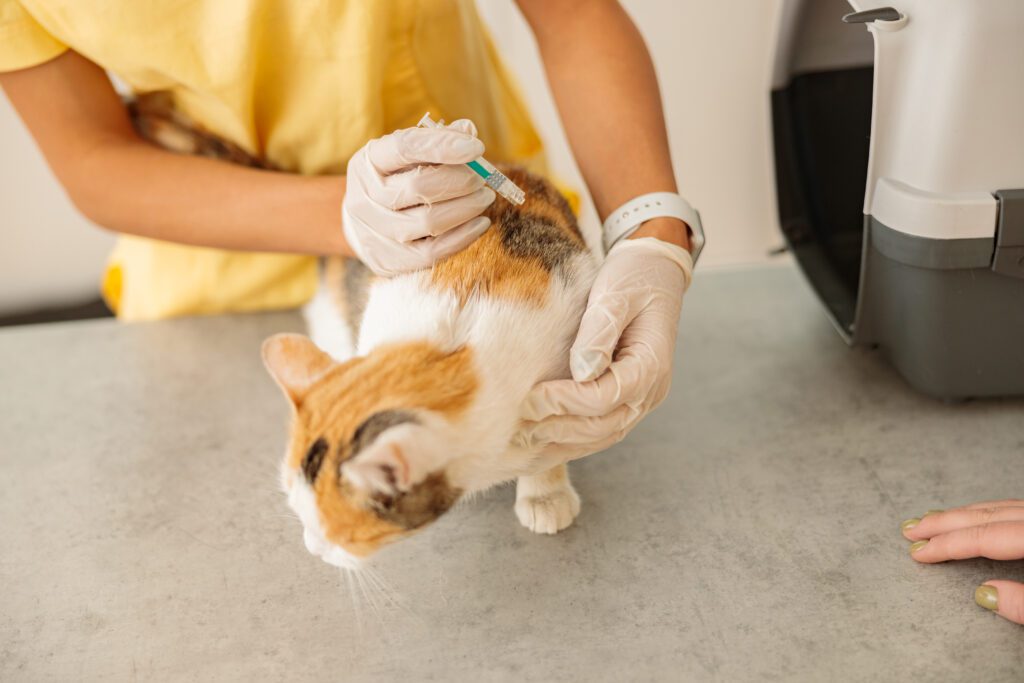
Keeping your dog or cat protected is not about following the same checklist for every animal. A thoughtful pet vaccination plan considers your pet’s age, health, lifestyle, travel habits, previous records, and potential exposure to infectious diseases. For families in West Kelowna, that can mean accounting for everything from puppy playgroups and boarding facilities to outdoor adventures, wildlife encounters, and indoor cats that may unexpectedly slip outside.
At Lake City Animal Hospital, pet vaccination appointments are paired with a veterinary assessment so the schedule can be tailored to the individual animal. Vaccines help prepare the immune system to recognize specific diseases before exposure occurs, reducing the risk of severe illness and helping protect the wider pet community. Lake City Animal Hospital offers vaccination services that help protect pets against diseases such as parvovirus, distemper, kennel cough, leptospirosis, Lyme disease, feline leukemia virus, and rabies.
Building the Right Dog and Cat Vaccination Schedule
A cat vaccination schedule or dog vaccination schedule usually begins early in life because puppies and kittens are especially vulnerable to infectious diseases. However, immunity received from their mother can interfere with early vaccines, which is why young pets typically receive a series of doses rather than one appointment.
Lake City Animal Hospital’s Vaccination Schedule:
6 to 8 weeks: Initial health examination and first combination vaccine.
10 to 12 weeks: Follow-up examination, booster vaccination, and selected lifestyle-based vaccines.
14 to 16 weeks: Final vaccines in the early series, with rabies vaccination when appropriate.
Our vaccination packages include DA2PP vaccines, with Bordetella and rabies added during later visits. Our kitten packages include FVRCP, followed by feline leukemia and rabies vaccines when appropriate. This schedule provides a useful starting framework, but it is not a substitute for an individualized pet vaccination plan.
Adult pets also need ongoing protection. Some boosters may be recommended annually, while others can be spaced farther apart after the initial series and first-year booster. Your veterinarian will review the vaccine product used, your pet’s medical history, current recommendations, and exposure risk before setting the next due date.
Essential Dog Shots Through Every Life Stage
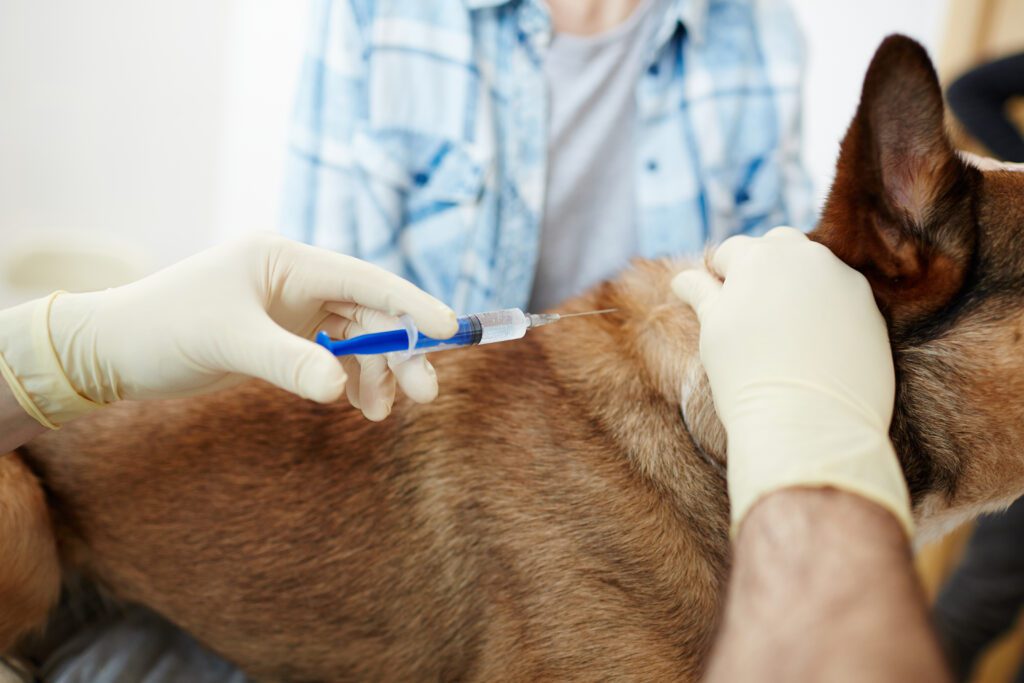
The first year of a puppy’s life includes several important vaccinations. Combination dog vaccines often protect against multiple serious diseases, including canine distemper, adenovirus, and parvovirus. These illnesses can spread quickly and cause severe symptoms, particularly in young or unvaccinated dogs.
A consistent pet vaccination schedule helps create protection during the vulnerable puppy stage and maintain that protection as your dog grows. A typical puppy vaccine series begins at approximately six to eight weeks and continues every few weeks until at least 16 weeks of age. After completing the early series, a booster is generally given within the following year. Later booster intervals depend on the specific vaccine and your dog’s individual circumstances.
Core vaccinations for dog health commonly include:
Canine distemper: A contagious viral disease that can affect the respiratory, digestive, and nervous systems.
Canine adenovirus: Included in combination vaccines to help protect against infectious canine hepatitis.
Canine parvovirus: A highly contagious disease that can cause severe vomiting, diarrhea, dehydration, and weakness.
Rabies: A fatal viral disease that can affect mammals, including people.
Leptospirosis: A potentially life-threatening bacterial disease that can also be transmitted from animals to people.
Leptospirosis vaccinations are considered essential for dogs. The guidance recommends vaccination for dogs beginning at 12 weeks of age, followed by ongoing boosters according to veterinary recommendations. Other dog vaccines may be recommended according to lifestyle. Bordetella vaccination may be important for dogs that attend daycare, visit groomers, enter boarding facilities, or frequently socialize with unfamiliar dogs. Lyme vaccination may be discussed for dogs with meaningful tick exposure.
Our West Kelowna vets may also consider:
- Travel plans
- Hiking and camping
- Rural or wooded environments
- Wildlife exposure
- Time spent near standing water
- Dog parks and training classes
- Boarding, daycare, and grooming visits
When researching vaccinations for dog health online, remember that a generic chart cannot evaluate previous vaccine reactions, chronic disease, medications, pregnancy, age, or an incomplete medical record. A veterinary examination keeps the pet vaccination plan both protective and appropriate.
Core Cat Vaccines and Timing for Kittens and Adults
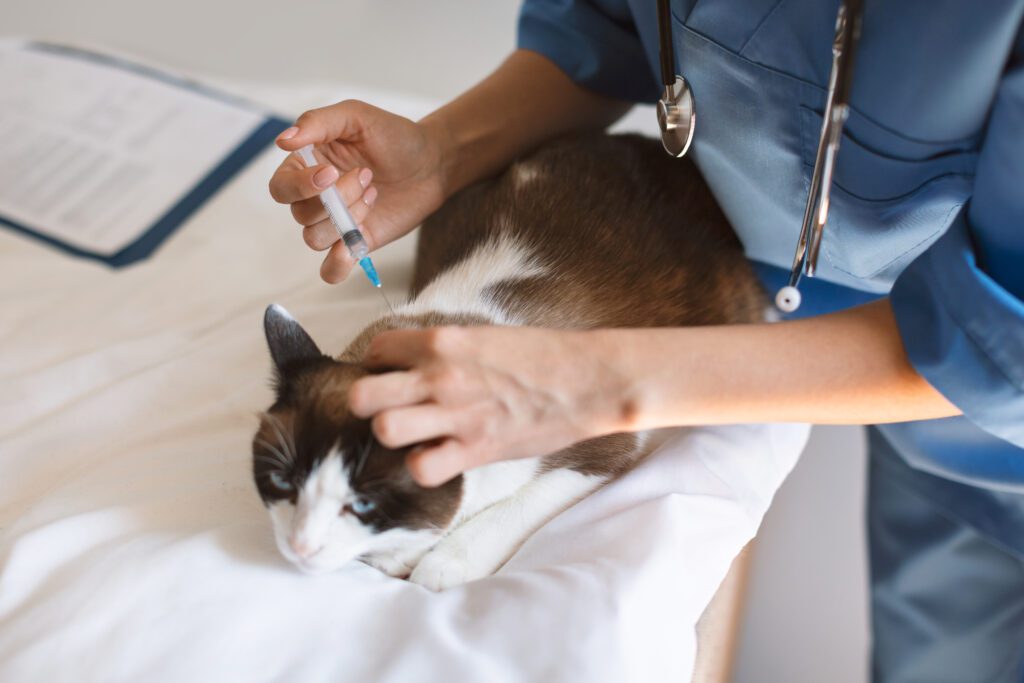
Cats need preventative care even when they spend most or all of their time indoors. Doors get left open, screens can break, new animals may enter the household, and bats can occasionally enter homes.
A well-planned cat vaccination schedule accounts for these possibilities rather than assuming an indoor lifestyle means zero exposure. The FVRCP vaccine is central to many feline pet vaccination plans. It protects against three important diseases:
- Feline viral rhinotracheitis, which is associated with feline herpesvirus and can cause respiratory and eye symptoms.
- Feline calicivirus, which can cause respiratory illness, oral ulcers, fever, and other complications.
- Feline panleukopenia, a serious and highly contagious disease that can be especially dangerous for kittens.
Feline herpesvirus, calicivirus, panleukopenia, rabies, and feline leukemia virus for cats younger than one year as core vaccines. For cats older than one year, feline leukemia vaccination is considered according to lifestyle and exposure risk.
Your veterinarian may recommend cat vaccines based on whether your cat:
- Lives exclusively indoors
- Spends time outdoors or on a patio
- Lives with other cats
- May be boarded or placed in group housing
- Has an unknown vaccination history
- Travels with you
- Visits a groomer
- Has health conditions that affect vaccine decisions
An adult cat with missing records is not necessarily too late to restart protection. Our West Kelowna vet clinic can assess the information available and create a practical catch-up pet vaccination schedule without relying on guesswork.
Rabies Vaccines for Cats and Dogs in West Kelowna
Rabies deserves special attention because it is fatal once clinical signs develop and can be transmitted from infected mammals to people. In British Columbia, bats are a primary source of potential exposure, which means even pets with limited outdoor access may be at risk. It is strongly recommended that dogs, cats, and ferrets up to date on rabies vaccination. Even indoor cats should also be vaccinated because they may escape or encounter a bat that enters the home.
Pet owners often search for phrases such as rabies vaccine cats or rabies vaccine dogs when trying to understand when this protection should be given. The answer depends on the animal’s age, previous records, vaccine product, health, and whether the pet is overdue. Rabies vaccines are administered according to veterinary guidance, vaccine labelling, and applicable public-health requirements. The initial rabies vaccine is often given near the end of the puppy or kitten vaccine series, followed by boosters at intervals determined by the product used and the veterinarian’s recommendations.
If your pet has contact with a bat or another animal suspected of carrying rabies:
- Keep people and other pets away from the wild animal.
- Do not handle the animal with bare hands.
- Contact your veterinarian promptly.
- Follow any instructions provided by your veterinarian or local public-health authority.
- Do not wait for symptoms before seeking advice.
Rabies protection is one part of a broader pet vaccination strategy. During the appointment, the veterinary team can review the entire record and identify other vaccines that may be due at the same time.
The Best Time to Visit a West Kelowna Vet for Vaccinations
The ideal time to book a vaccination appointment is before your pet is likely to be exposed. Do not wait until the day before boarding, daycare, travel, a training class, or a move. Some vaccines require more than one dose, and the immune response takes time to develop.
Schedule a pet vaccination review when:
- You bring home a new puppy, kitten, or adult rescue.
- Your pet’s vaccination history is missing or uncertain.
- A booster due date is approaching.
- You plan to board, travel, attend daycare, or join group training.
- Your dog’s lifestyle now includes hiking, swimming, rural travel, or more social contact.
- Your indoor cat begins spending time outside.
- Your pet may have been exposed to wildlife.
- You are unsure whether an older pet still needs vaccines.
Older pets should not automatically stop receiving vaccines because of age alone. Instead, your veterinarian will consider overall health, previous vaccination history, lifestyle, medications, and exposure risks. The goal is to create an appropriate plan, not to give each pet every available vaccine.
A vaccination visit at a veterinary clinic is also a valuable opportunity to discuss parasite prevention, nutrition, dental health, behaviour, weight changes, mobility, and other concerns. Rather than treating pet vaccination as a quick injection, the appointment can become part of a larger preventative-care plan.
Personalized Pet Vaccination Care at Lake City Animal Hospital
There is no single schedule that fits every dog and cat. The best plan balances disease risk, reliable protection, individual health, and responsible timing. Whether you need a first puppy appointment, an updated dog vaccination schedule, a kitten’s next booster, adult cat vaccines, or help interpreting old records, Lake City Animal Hospital can guide you through the next steps.
As a Kelowna veterinary hospital serving West Kelowna families, Lake City Animal Hospital offers personalized vaccination care and puppy and kitten packages. The hospital is open seven days a week from 8 a.m. to 8 p.m. and welcomes new patients by appointment. Protect your pet before exposure becomes an emergency and Book a pet vaccination appointment.