

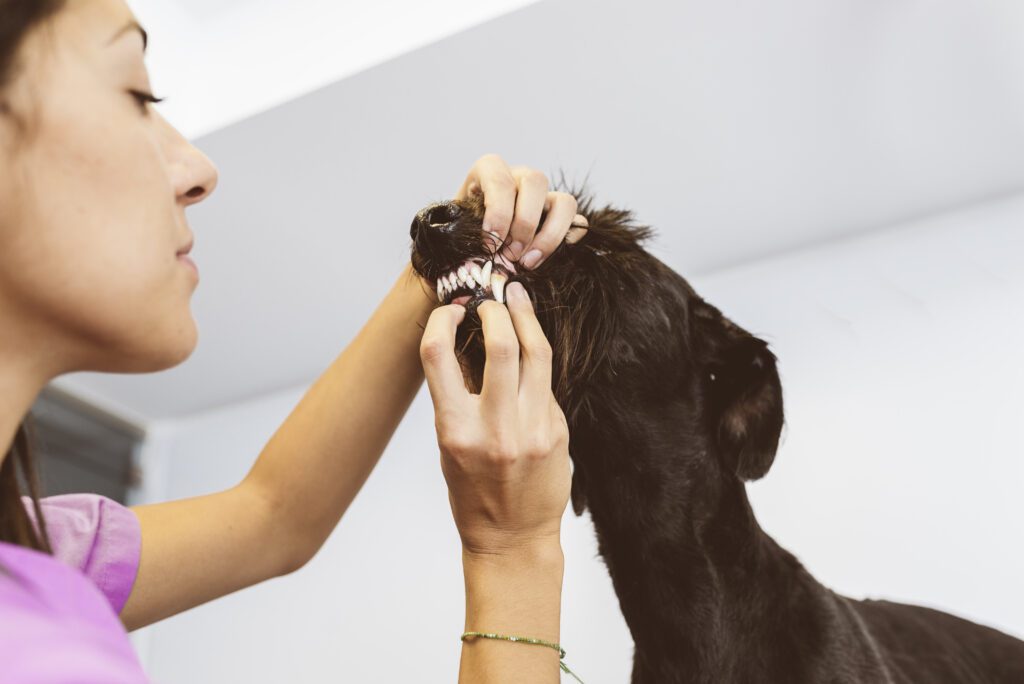
If your dog’s kisses have gone from “aww” to “absolutely not,” you’re not alone. Bad breath is one of the most common reasons pet owners start paying attention to dental health, and it’s often the first sign that plaque and tartar have moved in. The good news is that dog teeth cleaning is one of the most effective ways to protect your dog’s mouth, comfort, and overall health. At Lake City Animal Hospital, we see how quickly dental issues can go from “a bit of stink” to painful gums, loose teeth, and infections that can affect the rest of the body. Whether you’re researching dog teeth cleaning near me options or you’re just trying to understand what’s involved, here’s a clear guide to dog teeth cleaning in West Kelowna, including costs, what to expect, and how to get your pup ready.
Dog Teeth Cleaning Cost in West Kelowna: What Affects Pricing
Let’s talk about the question everyone wants answered: dog teeth cleaning cost. Pricing isn’t one-size-fits-all because every dog’s mouth (and temperament) is different. Here are the biggest factors that influence dog teeth cleaning cost at our West Kelowna animal hospital:
- Your dog’s size and weight (medication dosing and monitoring needs vary)
- Current dental condition (light plaque vs heavy tartar and gum inflammation)
- Dental X-rays (helps detect issues below the gumline)
- Extractions (if teeth are damaged, loose, or infected)
- Pre-anesthetic testing (bloodwork helps your vet confirm safety)
- Time and complexity (some cleanings are straightforward, others take longer)
If you’re comparing West Kelowna vet clinics, ask what’s included in the estimate. A quote that looks lower may not include dental X-rays, pain control, or monitoring that supports a safer dog dentist cleaning.
What Happens During Teeth Cleaning for Dogs at a West Kelowna Animal Hospital
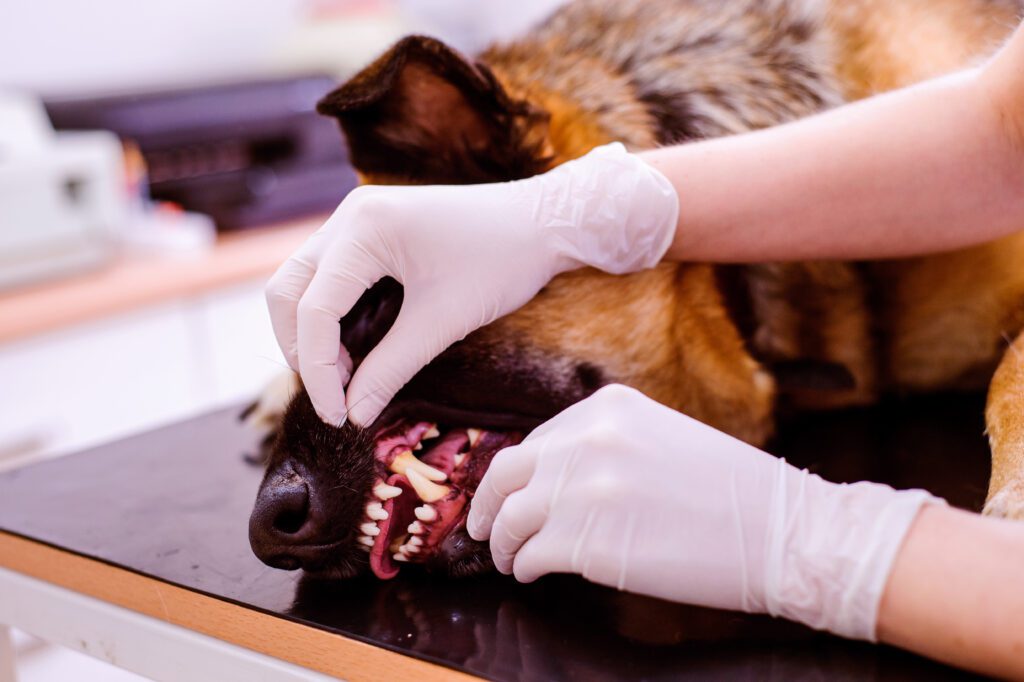
Professional teeth cleaning for dogs is more than a quick polish. It’s a full dental assessment and cleaning process designed to remove plaque, address gum disease, and spot trouble early. Here’s what a typical dog teeth cleaning appointment looks like at Lake City Animal Hospital:
Pre-visit exam and planning
Your veterinarian reviews health history, performs an exam, and discusses the plan for dog teeth cleaning.
Pre-anesthetic bloodwork (recommended)
This helps your West Kelowna vet team assess organ function and tailor anesthesia safely.
Anesthesia and monitoring
Dog teeth cleaning is performed under anesthesia so the team can clean under the gumline thoroughly while keeping your dog comfortable. Monitoring typically includes heart rate, oxygen levels, blood pressure, temperature, and more.
Dental exam and charting
Once your dog is asleep, the team can fully assess the mouth, measure gum pockets, and document tooth health.
Dental X-rays
X-rays can reveal hidden tooth root infections, bone loss, or fractures. This is a key step in high-quality teeth cleaning for dogs.
Scaling and polishing
Plaque and tartar are removed from tooth surfaces and below the gumline. Teeth are polished to smooth micro-scratches where plaque likes to cling.
Treatment as needed
If a tooth is diseased or painful, the veterinarian may recommend extraction or additional treatment. This is often the factor that changes dog teeth cleaning cost, because every mouth tells a different story.
Recovery and aftercare instructions
Your dog is monitored as they wake up, then sent home with guidance (and sometimes medications) to support healing.
A professional dog teeth cleaning is one of the best proactive health steps you can take because dental disease isn’t just a mouth problem. Chronic oral infection can affect the heart, liver, and kidneys over time.
How to Prep Your Pup for a Dog Dentist Cleaning (Before, Day-Of, Aftercare)
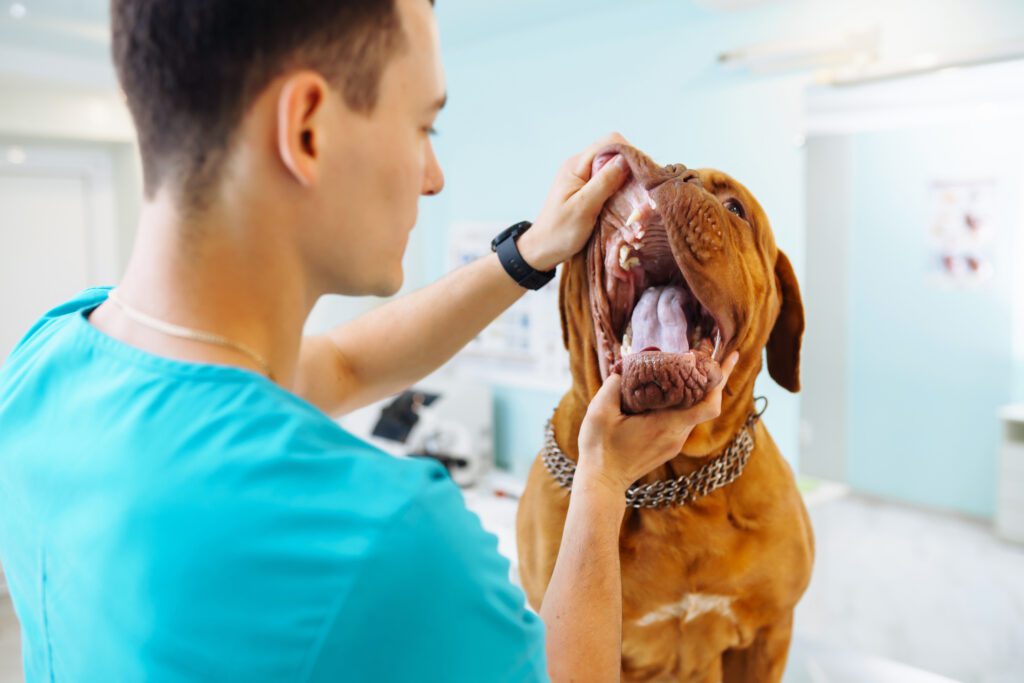
A little prep goes a long way in making a dog dentist cleaning smoother for you and your pup.
Before the appointment
- Book an exam first. Many West Kelowna vet clinics require a pre-check to confirm your dog is healthy enough for anesthesia and to discuss dog teeth cleaning cost.
- Share medication and supplement details. Let your vet know about anything your dog takes, including calming aids.
- Plan for a quiet recovery day. Arrange your schedule so your dog can rest after dog teeth cleaning.
Day-of tips
- Follow fasting instructions exactly. Your clinic will provide guidelines on when to stop food and whether water is allowed.
- Bring your dog on a leash or in a secure carrier. Drop-off days can be busy and safety matters.
- Keep the vibe calm. A relaxed drop-off can make a big difference for anxious pups.
Aftercare at home
- After dog teeth cleaning, most dogs are sleepy for the first evening. If extractions were needed, your dog may also have mild soreness.
Helpful aftercare basics:
- Offer soft food if recommended by your West Kelowna animal hospital team
- Limit rough play for a day or two
- Give medications exactly as directed
- Watch for signs of discomfort (pawing at the mouth, refusing food, extra drooling)
If your dog had extractions, you’ll receive more specific home-care instructions. Either way, good aftercare protects the results of dog teeth cleaning and helps your dog bounce back quickly.
How to Clean Dogs’ Teeth at Home Between Vet Visits
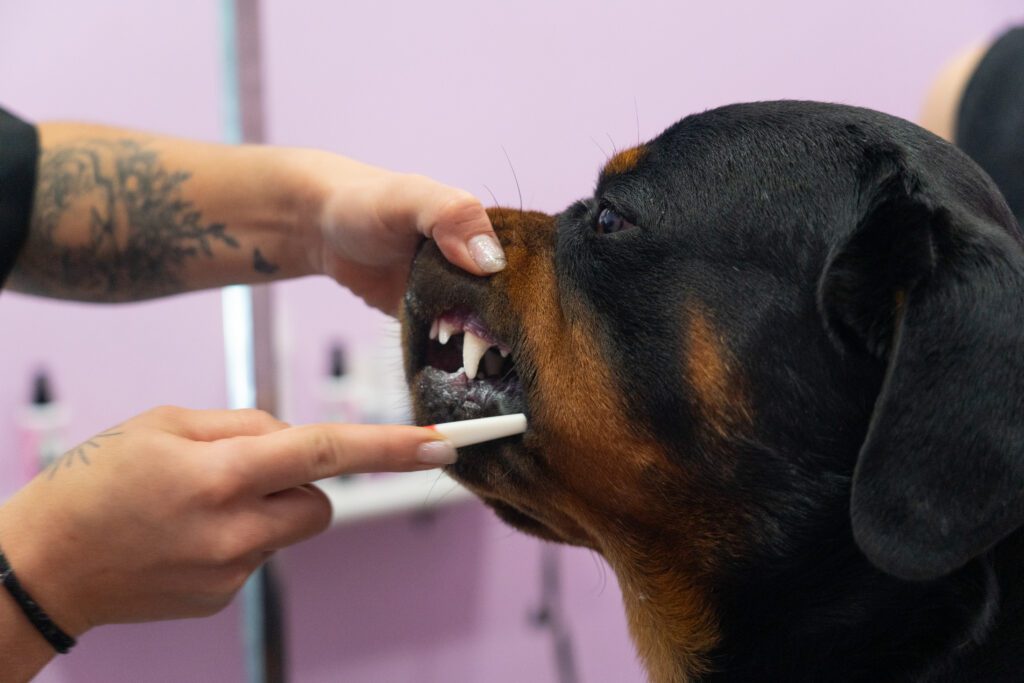
Professional dog teeth cleaning is the reset button, but home care is what slows plaque buildup between cleanings. If you’ve been wondering how to clean dogs’ teeth, start with a simple plan you can actually stick to. Consistency wins here.
At-home dental habits that help
- Brush regularly (best option). Use a pet toothbrush and dog-safe toothpaste. Human toothpaste is not safe for dogs.
- Start slow. Let your dog lick the toothpaste first, then gently introduce brushing for a few seconds at a time.
- Target the outer surfaces. That’s where plaque tends to build fastest.
- Add dental chews wisely. Look for products designed to reduce plaque, and choose the right size so your dog can chew safely.
- Consider dental diets or water additives. These can support oral health for some dogs when brushing is difficult.
Home care can reduce dog breath odour and help extend the time between professional teeth cleaning for dogs. Still, even excellent brushing can’t remove tartar that’s already hardened below the gumline, which is why routine dog teeth cleaning remains important.
Dog Bad Breath and Dog Breath Odour: When It’s Time to See a Vet in West Kelowna
A little “dog breath” can be normal. Strong, persistent dog bad breath is not. Dog breath odour is often linked to dental disease, but it can also point to other health concerns. Book an exam with a vet team if you notice:
- Dog breath odour that doesn’t improve with home care
- Red, swollen, or bleeding gums
- Visible tartar buildup
- Drooling more than usual
- Pawing at the mouth or face
- Chewing changes, dropping food, or avoiding crunchy treats
- Swelling near the jaw
- Mood changes (mouth pain can make dogs grumpy)
The sooner you book, the more likely you can prevent painful problems and keep dog teeth cleaning simpler. Many dental issues start quietly under the gumline, which is why routine exams at a West Kelowna animal hospital matter.
Book With Lakecity Animal Hospital
If you’re searching for dog teeth cleaning in West Kelowna, Lake City Animal Hospital can help with clear guidance, safe care, and a plan tailored to your dog’s needs. Dog teeth cleaning is one of the best ways to support your dog’s comfort, breath, and long-term health. Ready to get started? Book an appointment and let our team help your pup get back to fresher breath and a healthier mouth.