
Dogs can become dehydrated faster than many pet owners realize, especially during hot Okanagan summers, after illness, or during periods of excessive activity. A dehydrated dog may initially show mild symptoms, but dehydration can quickly become dangerous if left untreated. Knowing the warning signs and understanding when to seek professional care can help protect your pet’s health and prevent serious complications. At Lakecity Animal Hospital, our team regularly helps pet owners identify and treat dog dehydration before it becomes an emergency. Whether your dog is refusing water, recovering from illness, or showing unusual behaviour, recognizing the early signs matters.
Recognizing the Early Signs of Dehydration in Dogs
The early symptoms of dehydration in dogs are often subtle, which is why many cases are overlooked at first. A dehydrated dog may simply seem tired, less playful, or uninterested in food and water. Over time, the symptoms usually become more noticeable.
Common dog dehydration signs include:
- Dry or sticky gums
- Excessive panting
- Sunken eyes
- Lethargy or weakness
- Loss of appetite
- Thick saliva
- Reduced urination
- Vomiting or diarrhea
- Loss of skin elasticity
One of the most common questions pet owners ask is, “How long can a dog go without water?” While every dog is different depending on size, age, and health, most dogs should not go longer than 24 hours without water. In reality, serious dog dehydration can begin much sooner, especially during warm weather or illness. A dehydrated dog that is also vomiting or experiencing diarrhea can deteriorate rapidly. Puppies, senior dogs, and dogs with underlying health conditions are particularly vulnerable to dehydration-related complications. If you notice signs of dehydration in your dog, it is important to monitor them closely and begin encouraging hydration right away.
What Dehydrated Dog Gums and Behaviour Changes Can Mean
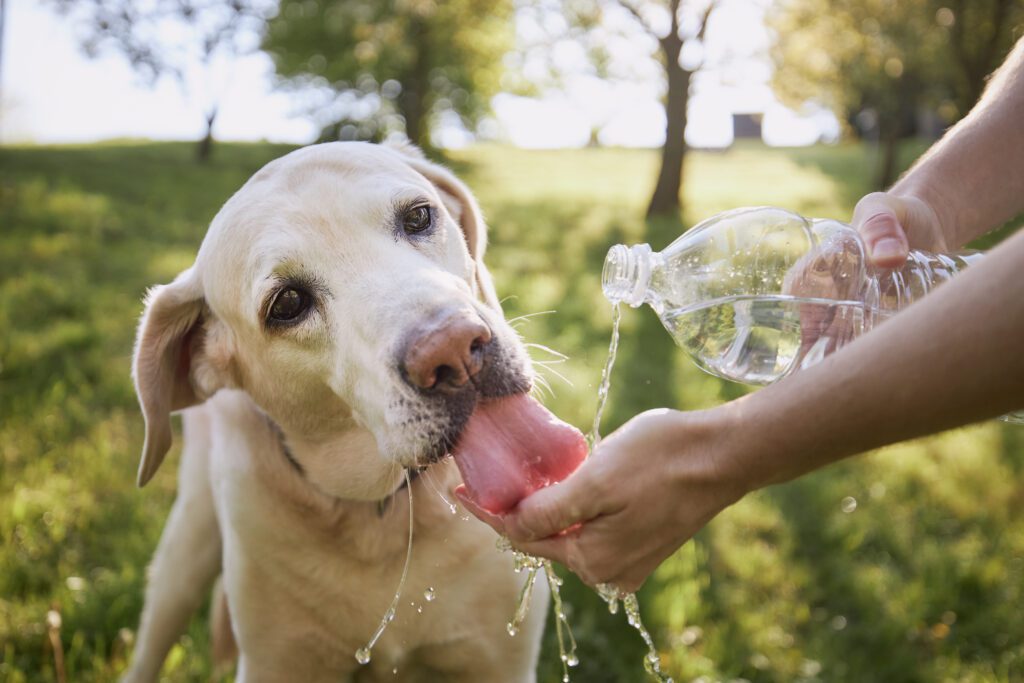
A dog’s gums can reveal a surprising amount about their hydration levels. Healthy gums should appear moist and slippery. Dehydrated dog gums often feel dry, sticky, or tacky to the touch.
You can also perform a simple capillary refill test at home:
- Gently press your finger against your dog’s gums.
- The area should briefly turn white.
- Release your finger and watch how quickly the colour returns.
In a healthy dog, colour usually returns within 1–2 seconds. A delayed refill time may indicate dehydration or circulation issues. Behavioural changes are another important clue. A dehydrated dog may:
- Sleep more than usual
- Avoid physical activity
- Refuse treats or meals
- Appear disoriented
- Become unusually clingy or withdrawn
Dehydration symptoms that dogs experience can vary depending on the cause. Some dogs become dehydrated after spending too much time outdoors, while others may lose fluids due to gastrointestinal illness, heat exhaustion, or underlying medical conditions. If your pet is acting abnormally alongside visible dog dehydration signs, it may be time to contact a trusted West Kelowna vet for guidance.
Safe Ways to Hydrate and Rehydrate a Dog at Home
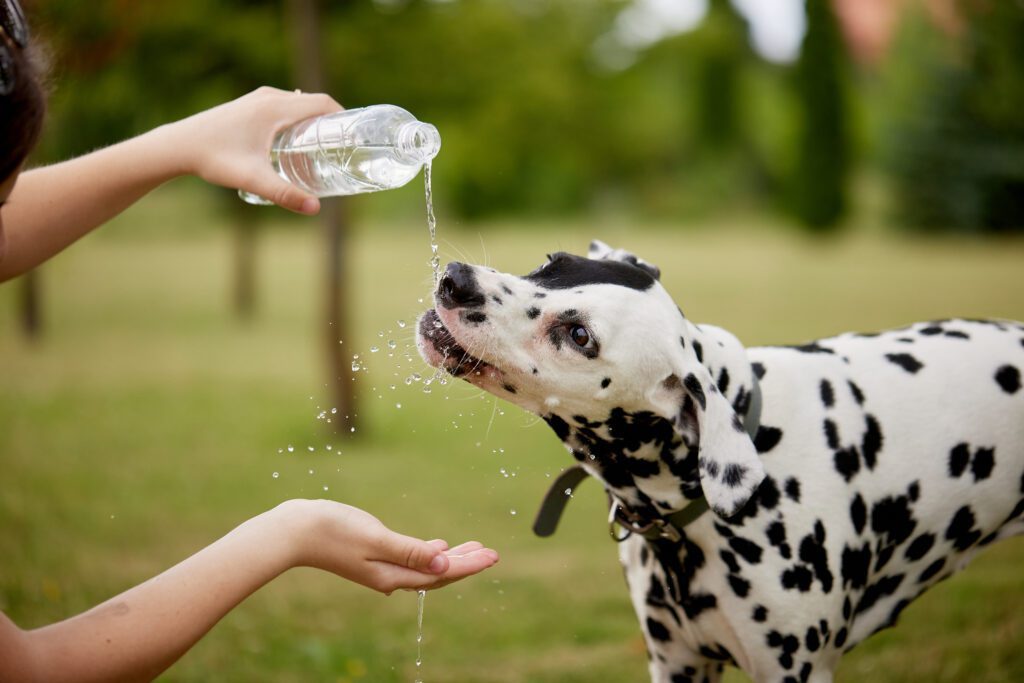
Knowing how to hydrate a dog safely can make a major difference during the early stages of dehydration. Mild dehydration may sometimes be managed at home, but only if your dog is alert and willing to drink.
Here are several safe ways to help rehydrate your pet:
Offer Fresh, Cool Water Frequently
Do not force large amounts of water all at once. Instead, encourage small drinks every few minutes. Drinking too quickly may trigger vomiting in a dehydrated dog.
Add Moisture Through Food
Wet food, low-sodium broth, or water added to kibble can help increase fluid intake. Some pet owners freeze diluted broth into ice cubes for dogs to lick slowly.
Move Your Dog to a Cool Environment
Heat can worsen dog dehydration quickly. Bring your dog indoors, provide shade, and avoid exercise until they recover.
Monitor Symptoms Carefully
Even if your pet starts drinking again, continue watching for dehydrated dog symptoms such as lethargy, vomiting, diarrhea, or weakness.
Many people search for how to rehydrate a dog or how to treat dehydration in dogs at home, but it is important to understand that home care is not always enough. A severely dehydrated dog may require intravenous fluids and medical monitoring.
How to Get a Sick Dog to Drink Water
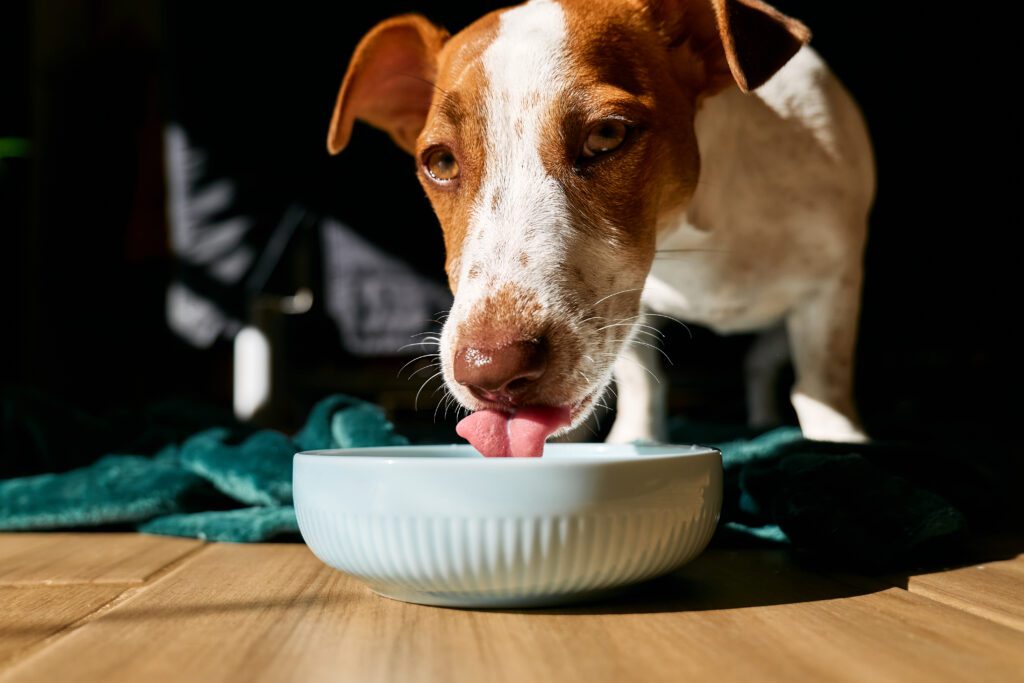
One of the biggest concerns pet owners face is figuring out how to get a sick dog to drink water. Illness, nausea, fever, pain, and stress can all reduce a dog’s desire to drink.
If your dog refuses water, try the following:
- Offer ice cubes to lick
- Use a pet fountain to encourage interest
- Add water to wet food
- Offer unseasoned chicken broth
- Use a syringe carefully under veterinary guidance
- Provide fresh water in multiple locations
A dehydrated dog that completely refuses fluids should never be ignored. Even a few hours without water can become dangerous for a sick or vulnerable pet. It is also important to avoid forcing water aggressively into your dog’s mouth, as this can increase stress or lead to choking. If your pet continues refusing fluids, professional veterinary care is often necessary. At times, what appears to be simple dog dehydration may actually be linked to more serious conditions such as kidney disease, infections, poisoning, heat stroke, or intestinal blockages.
When Dog Dehydration Becomes a Veterinary Emergency
While mild dehydration may improve with rest and fluids, there are situations where immediate veterinary care is essential. A dehydrated dog can decline rapidly, especially if dehydration is connected to illness or heat-related emergencies.
You should contact an emergency vet clinic immediately if your dog experiences:
- Collapse or inability to stand
- Persistent vomiting or diarrhea
- Pale gums
- Difficulty breathing
- Severe lethargy
- Refusal to drink water for extended periods
- Signs of heat stroke
- Seizures or disorientation
Severe dog dehydration affects circulation, organ function, and body temperature regulation. Without treatment, dehydration can become life-threatening.
At Lakecity Animal Hospital, our experienced veterinary team helps diagnose and treat dehydrated dog symptoms quickly and safely. From fluid therapy and diagnostics to supportive care and monitoring, prompt treatment can make a significant difference in your dog’s recovery.
If you notice signs and symptoms of dehydration in dogs, do not wait for symptoms to worsen. Early intervention is always safer and more effective than waiting until dehydration becomes severe.
Whether you need advice from a trusted West Kelowna vet or urgent support from an emergency vet Kelowna pet owners can rely on, our team is here to help keep your pet healthy, hydrated, and safe. Book an appointment or contact our team today.